


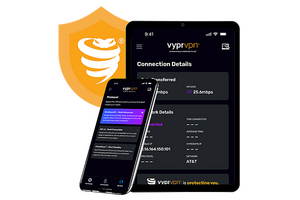
VyprVPN at a glance
VyprVPN is a long-running VPN service focused on encrypted traffic, IP masking, and anti-censorship connectivity. In semantic SEO terms, the core entities around this product are clear: VPN service, privacy, encryption, obfuscation, server network, kill switch, DNS protection, and streaming access. The search intent behind “VyprVPN review” is usually transactional and comparative: people want to know whether it is fast, safe, private, and worth the subscription price.
That makes the most useful review format a practical one. VyprVPN should be judged not just on features, but on whether those features solve real-world use cases such as public Wi-Fi protection, travel in censored regions, anonymous browsing, and reliable day-to-day performance.
Who VyprVPN is best for
VyprVPN is most compelling for users who prioritize privacy architecture and censorship resistance over massive server count. It is especially relevant for travelers, remote workers, and users in regions where VPN traffic may be throttled or blocked. The service’s obfuscation layer is a major differentiator in this category.
- People traveling through restrictive networks or countries with VPN blocking
- Users who want a simple VPN interface without too much configuration
- Privacy-minded users who value a provider-owned network model
- People who want protection on public Wi-Fi, airports, and hotels
It is less ideal for users who want the largest possible server catalog, the most advanced power-user customization, or the most consistent streaming unblocking record across every major platform.
Privacy and logging policy
Privacy is the main reason many people look at VyprVPN. A VPN can encrypt traffic between your device and the VPN server, but the provider’s logging policy determines what data might still be associated with your usage. In broader privacy terms, this matters because a VPN is only one part of reducing your digital footprint; browser privacy settings, DNS privacy, and leak protection still matter too.
VyprVPN has historically emphasized a no-logs approach and has undergone third-party validation of its policy. That is a meaningful trust signal, though users should still read the current policy and understand what operational data is retained for service maintenance. As with any VPN, the real question is not whether it collects absolutely nothing, but whether it collects enough to identify browsing behavior or sensitive activity. On that front, VyprVPN’s posture is stronger than many generic VPN brands.
For users focused on anonymous browsing, it is still smart to combine a VPN with broader privacy practices such as limiting browser fingerprinting, reducing tracking cookies, and understanding how data brokers build profiles. A VPN helps, but it does not make you invisible.
Security features and protocol support
VyprVPN includes the core security features most users expect from a reputable VPN: strong encryption, a kill switch, DNS protection, and support for common modern VPN protocols. Those pieces work together as a security cluster. The VPN protocol determines how your traffic is tunneled, encryption protects the payload, the kill switch blocks traffic if the tunnel drops, and DNS protection helps prevent leak exposure.
The standout feature is Chameleon, VyprVPN’s obfuscation technology. Obfuscation is important when networks try to detect or interfere with VPN traffic. It can help users bypass simple VPN blocks, which is why VyprVPN is often discussed in the same context as travel, censorship, and access in restrictive environments. If you want to understand the basics of what a VPN does and how protocols affect performance and security, see our guide on what a VPN is and VPN protocols.
Security strengths
- Strong baseline encryption for everyday privacy and public Wi-Fi use
- Kill switch support to reduce exposure during connection drops
- DNS leak protection to improve domain privacy
- Chameleon obfuscation for networks that detect or throttle VPN traffic
Security limitations
- Advanced power-user features may be less extensive than top-tier rivals
- Security value depends on correct app configuration and device-level privacy habits
- Like all VPNs, it does not replace endpoint security, MFA, or safe browsing
For readers comparing VPN security risks, it is useful to treat VyprVPN as a solid implementation of the essentials with one notable specialized feature: obfuscation.
Server network and infrastructure
VyprVPN’s infrastructure strategy is one of its most interesting differentiators. The provider is known for managing much of its own network rather than relying entirely on rented infrastructure. In VPN semantics, this matters because server ownership can improve operational control, reduce third-party dependency, and strengthen trust in how traffic is handled.
That said, infrastructure ownership does not automatically mean the service is better in every category. A smaller server network can mean fewer location choices, more congestion in some regions, and less flexibility for streaming or gaming use cases. Users who need the broadest international coverage may prefer competitors with larger global fleets.
For practical shoppers, the key trade-off is simple: VyprVPN offers a more privacy-aligned infrastructure story than many budget VPNs, but it does not compete with the biggest brands on raw scale. If server distribution matters to your use case, especially for regional streaming or latency-sensitive gaming, compare it carefully with alternatives.
Speed and performance
Speed is often where VPN reviews become most subjective, because results depend on distance, protocol, base ISP speed, and server load. In general, VyprVPN delivers usable to good performance for everyday browsing, streaming, messaging, and remote work. It is not typically the first service people mention when chasing absolute top benchmark numbers, but it is also not positioned as a bare-bones privacy-only tunnel with poor throughput.
For most users, the more important question is whether the VPN remains stable enough for video calls, HD streaming, cloud backup, and large downloads. VyprVPN usually performs well enough for these tasks, though peak speeds may trail the fastest premium competitors in some regions.
This is where semantic intent mapping matters: people searching for “VyprVPN speed” usually want a real usability answer, not a synthetic benchmark. The honest answer is that VyprVPN is generally adequate for mainstream use, but if your priority is maximum throughput for 4K streaming, competitive gaming, or huge file transfers, you should compare it against speed leaders before buying.
Streaming and geo-restricted content
Streaming support is mixed and should be treated cautiously. VyprVPN can work for some services and regions, but streaming platforms regularly change their detection systems, which means reliability can fluctuate over time. This is true across the VPN market, but some providers are noticeably more consistent than others.
If your main goal is access to geo-restricted streaming libraries, you should not assume any VPN will work everywhere. VyprVPN may be enough for casual streaming abroad, but heavy streaming users who prioritize consistent access to multiple libraries often choose a service with a stronger track record in this specific category.
For stream-safe browsing, a VPN should also help reduce ISP throttling and make hotel or public network streaming more stable. That said, if buffering is your main pain point, speed and server proximity matter as much as the VPN brand itself. See also our guides on stream-safe viewing and streaming abroad.
Privacy in restrictive regions and travel use
This is where VyprVPN can make the most strategic sense. Travelers and users in heavily filtered networks often need two things: encryption and obfuscation. VyprVPN’s Chameleon technology is directly relevant to this search intent cluster, because it is designed to make VPN traffic less recognizable.
For people using airport Wi-Fi, hotel Wi-Fi, or public networks abroad, a VPN adds a strong layer of protection against local snooping and many forms of network surveillance. It does not eliminate all risk, but it reduces exposure significantly compared with unprotected connections. For additional reading, see airport Wi-Fi safety, hotel Wi-Fi safety, and public Wi-Fi security.
If your travel plans include countries with internet censorship, packet inspection, or VPN blocking, VyprVPN’s anti-censorship focus is one of the strongest reasons to consider it. In that specific use case, it competes on capability rather than sheer brand size.
Apps, ease of use, and setup
VyprVPN is generally straightforward to install and use. Its apps are built for mainstream users who want to connect quickly, choose a server, and turn on protection without learning technical details. That makes it a good fit for people who want a simple setup on Windows, macOS, mobile, or even manual configurations in more advanced scenarios.
The interface and feature layout are usually easy to understand, and that matters more than many buyers realize. A VPN’s value is reduced if the average user cannot find the kill switch, protocol settings, or obfuscation mode. VyprVPN does a respectable job of keeping the experience accessible while still offering meaningful controls.
If you are comparing setup complexity across devices, see our guides on how to set up a VPN, Windows VPN setup, and macOS VPN setup.
Streaming devices, mobile, and everyday protection
On mobile, VyprVPN is useful for protecting data on cellular networks and unsecured Wi-Fi. On larger screens and TV environments, the main question is whether the app experience and server performance are strong enough for smooth video playback. For many households, this VPN will cover the basics well enough, but it is not always the first choice for platform-specific streaming optimization.
For phone users, VPN value also connects to mobile privacy settings and app permissions. A VPN can encrypt traffic, but it cannot stop every app from collecting device metadata or behavioral signals. For that reason, it should be seen as one component in a broader privacy setup rather than a complete solution.
Pros and cons
Pros
- Strong privacy positioning and infrastructure control
- Chameleon obfuscation for censorship resistance and VPN blocking
- Easy-to-use apps with a low learning curve
- Good baseline security features for everyday use
- Well suited to travel, public Wi-Fi, and restricted networks
Cons
- Smaller network than top competitors with larger server fleets
- Streaming reliability is not always the most consistent
- Performance can be good, but not best-in-class everywhere
- May offer fewer enthusiast-grade features than some rivals
How VyprVPN compares conceptually with other VPNs
When users compare VyprVPN with services such as NordVPN, Proton VPN, Mullvad, ExpressVPN, Private Internet Access, or OVPN, the decision usually comes down to priorities. Some competitors emphasize speed or streaming, others emphasize transparency, and some lean into broad server selection. VyprVPN’s identity is narrower but meaningful: privacy, control, and anti-censorship utility.
If your decision criteria are ranked in this order—privacy, travel reliability, and simplicity—VyprVPN is competitive. If your priorities are server count, the broadest streaming access, or the absolute fastest speeds, it may not be the best match. The strongest VPN choice is the one that matches the user’s actual search intent: secure browsing, anonymous browsing, or regional media access.
Verdict
VyprVPN is a legitimate, privacy-focused VPN with a clear purpose. Its best qualities are its self-managed infrastructure mindset, its strong focus on censorship resistance, and its easy-to-use apps. Those qualities make it especially relevant for travelers, public Wi-Fi users, and people connecting from restrictive networks.
Its weaknesses are equally important: the network is not as large as leading competitors, streaming performance can be inconsistent, and the service may not be the fastest option for every location. If you want a VPN mainly for privacy, secure travel, and bypassing blocks, VyprVPN deserves serious consideration. If you want the broadest all-around VPN on the market, you should compare it side by side with larger competitors before deciding.